Hey all! I am an avid user of the clarity app data, which I look at every morning to look at the two day data, and just plan for the day. I’m on MDI, so there may be no issues. But as I anticipate changing, I would love any shortcuts to avoid any potential disasters. Is there anything I should know about the 15 day G7 before I begin? Since I wear the G6 on my arms on the back, and often have compression lows, I’m hoping those will be fewer. Is the Clarity app built in somehow and are there new alarm settings? I would appreciate any, and all help in advance of actually pulling the device out of the box and reading directions. And I’m not trying to waste anyone’s time, but just wanna know if there’s anything to be aware of. Thanks and hope everyone’s doing well!
From the videos I’ve watched it actually looks a lot easier to insert, takes up much less real estate and seems like it “may be” less prone to compression lows, but time will tell. We’ll also be forced to switch in July.
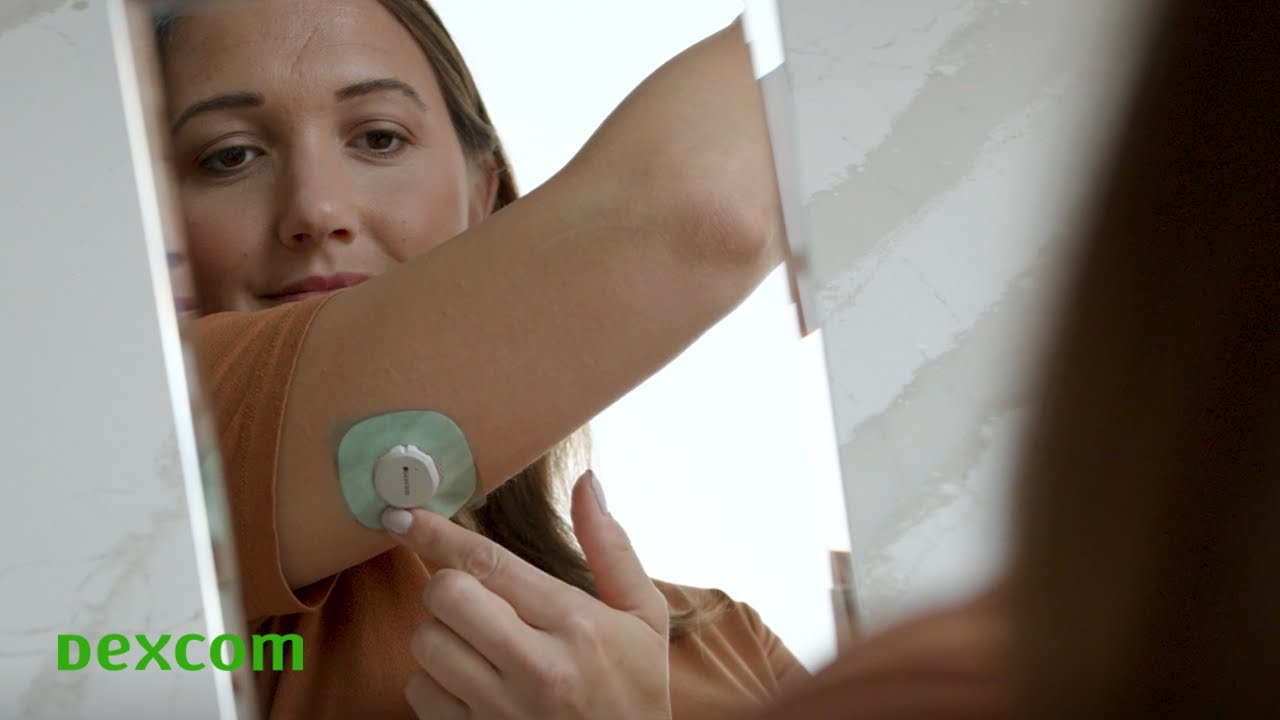
Thanks! Yes - I am thinking ahead and have one sample to try before having to commit. But honestly, I have had trouble with certain boxes of 3 lately with being 40 points too high, then calibrate, then 30 low the next day and feeling untrustworthy. Plus, I still have certain codes that seem problematic for me (I keep top label, take it off, put which arm used and date installed and if any issues, so have a stack, and lo and behold, when big issues, they seem to have a pattern of that 4-digit code - but people may think I am crazy, yet it is my true and recorded experience). Thanks for the video link!
I use the 10-day G7 and get occasional compression lows. They seem to be worst if I’ve placed it high up and back on my arm, where the sensor may be touching my torso and the bed at the same time. Now I tend to place it more on the mid-to-low sides of my arms and have had fewer issues.
There is still a Clarity summary in the G7 app (below)! You can also download the separate Clarity app for more reports.

I can’t remember what alerts the G6 app allowed, as I only used the G6 shortly… but G7 can have two different profiles set. I personally have one tighter set of alarms for daytime (when there are so many more variables and ups and downs to anticipate and act on), and one less tight set of alarms for nighttime (when there aren’t as many variables going on for me to preemptively act on).


You can also change some trend graph settings, which I really appreciate. Whatever you set here is what the Clarity summary uses to calculate your time in range.

Good luck with the 15-day! I hope the switch goes great! 
Thanks so much! I appreciate the graph pictures. This is a big help. And, I find even with the g6 that the lower on my arm the better for nighttime, so that is good to know!
This makes so much sense, I don’t understand why Freestyle Libre still doesn’t have this.
Although not FDA-approved in the US, the abdomen is apporved in Europe:
The Dexcom G7 is CE mark approved in Europe for placement on the back of the upper arm and the abdomen for all users aged two years and older. Children and adolescents aged 2 to 17 years are also approved to wear the sensor on the upper buttocks.
Less
Summary of Approved Insertion Sites in Europe
| Age Group | Approved Placement Sites |
|---|---|
| Adults (18+) | Back of the upper arm, Abdomen |
| Children & Adolescents (2–17) | Back of the upper arm, Abdomen, Upper buttocks |
Key Regulatory Differences
While the Dexcom G7 has been available in both the US and Europe, European users (under CE Mark regulations) have broader official approval for placement. Specifically:
-
Abdominal Placement: In Europe, the abdomen is an officially approved site for adults. In many other regions, including the US, the back of the arm was the only initially approved site for adults.
-
Accuracy: Clinical studies reviewed during the CE Mark process indicated that the accuracy of the G7 on the abdomen is comparable to its performance on the back of the arm.
User Insights and Tips from the Community
Reports from European users and clinical discussions highlight several practical considerations regarding these placements:
-
Compression Lows: Users who prefer the back of the arm often note that “compression lows” (false low readings caused by leaning on the sensor while sleeping) can be more frequent. Abdominal placement is sometimes preferred by side-sleepers to avoid this issue.
-
Sensor Stability: The back of the arm is often cited as the most stable location with the least “noise” in data, though it is more prone to being knocked against doorframes or during physical activity.
-
Skin Irritation: Some users switch between the arm and abdomen to give their skin time to heal, as rotating sites is recommended to prevent lipohypertrophy (lumps under the skin).
-
Off-label Use: While the thigh and chest are popular “off-label” sites discussed in user forums, these are not officially approved by Dexcom or European regulatory bodies. Using these sites may result in different accuracy levels and could affect your ability to receive technical support for sensor failures.
Application Recommendations
For best results regardless of the site chosen:
-
Clean the Area: Use alcohol wipes and ensure the skin is completely dry before application.
-
Avoid Obstructions: Ensure the site is away from waistbands, scarring, tattoos, or areas with excessive hair.
-
Pressure: After application, press down firmly on the sensor for 10 seconds and rub the adhesive patch to ensure it is securely bonded to the skin.
I just switched over to the G7:
- The first one failed on the back of my arm, which was very bloody when first applied. I followed the directions carefully, so not sure why it failed. I checked YouTube for alternate insertion sites, and that was the driver for my prior post.
- I was also easily able to request a replacement from Dexcom via their website, although you can call them if you’d prefer.
- The G7 app works on my Android phone, and the process I setup to see my glucose numbers and trends on my Samsung watch continues to work, although not quite the same as before. Normally, pressing on the complication in the dial would then launch the graph, but now it shows me the option of allowing notifications. I need to investigate further.
- The notification sounds and options are different, so you will need to experiment, review, and decide what options and sounds work for you.
I’ve been fine with the G7 but notice that the first several hours after insertion can be wonky. Since there is a 12-hour grace period, I usually place the new one about when that grace period starts so I have some overlap and can be sure the new sensor is good.
I like to have the new one running on the G7 receiver and leave the old one running via my phone, then I can see data from both at once.
I’m a fan of abdominal placement for the G7. The direct to Apple Watch connection is stronger for me and the accuracy the same.
Thanks, y’all! This is all great information. I forgot about the grace period. I am sure it will go smoothly, even if not at first. Thanks for the great help!
I have been wearing the G7 15 day cgm for 4+ weeks now, and like my old G7 (10day) I wear it on the back of my upper left arm. I have absolutely no issues with accuracy and placement. I am a side sleeper and put it on the opposite side arm from the side I sleep on, so no compression lows. I rotate areas twice a month and have yet to have any scar tissue problems. My only issue with it is that the warm-up period went fro 25 minutes to 1 hour. But after that, its go! And I can see my 24 hour trends on my iPhone every day to help make the best lifestyle choices.
Nice, that is an exciting switch. The G7 is smaller and some people find fewer compression lows, though placement still matters. Clarity should work the same with data syncing automatically, and alerts are a bit more flexible. The first day can feel a bit off for some people, so it helps to keep an eye on it early on.
Also if you do Loop (DIY Omniloop system), G7 works with that system so it would be just a matter of changing G6 to G7 in the dexcom app and Loop app and it should work np. I haven’t tested it yet, but that’s what I hear.
Hello. On my my first G7 15 day. Today is day 12. Have had a lot of problems with the sensor. Consistently reading at least 20 if not 30 points below a finger stick. Has been a problem at night. Alarm keeps waking me up and I’m really not low. In numbers are off all day long. Hard for me to trust it at all. Yesterday I calibrated three times with 15 minutes in between. It seems to be working better now. I have it on the back of my arm, but I wear a little cover on it for the compression lows so that has not been a problem. When I change it, I’m going to try it on my abdomen and see if I get better readings. Like everything diabetes related it’s always try then try something different. Good luck.
Thanks for sharing that. I ill be equally frustrated if that happens. Maybe the next one will settle in better. I am glad they can be calibrated, though. I have found g6 on me, anyway, does not like more than one calibration a day. I hate the thought of putting on abdomen, but hole you will post if that does work out better for you. Great info! Thank-you!
That is interesting, especially about the stronger watch connection with abdominal placement. I have seen people mention signal can vary depending on the spot, so it is good to hear that works for you. Do you rotate areas on your abdomen or stick with a few spots that seem reliable?
Hi there! G7 arm wearer here, and I have actually had zero compression lows since I’ve been inserting the 15-day sensors. I’ve also noticed that I don’t have much site soreness, insertion site issues (like the silly wire coming through the hole) and the adhesives usually hold - but I still swear by expressionmed over patches, as 15 days is a long time to trust a single adhesive.
Since I overlap sensors, I put each one a couple inches away from the previous one but mostly stick to the area of the abdomen above the belly button varying a bit from left to right.
I don’t worry about site rotation as much with sensors as I do with infusion sets. Infusion sets are bigger and seem to cause continuous low level trauma by injecting insulin. Sensors are little inert filaments that don’t cause much of a reaction for me.
@Necroplasm Can you advise folks where on your arm you use? Back of the arm (I think it’s called the tricep), side, front (bicep), somewhere else? I ask because some others will probably be interested.